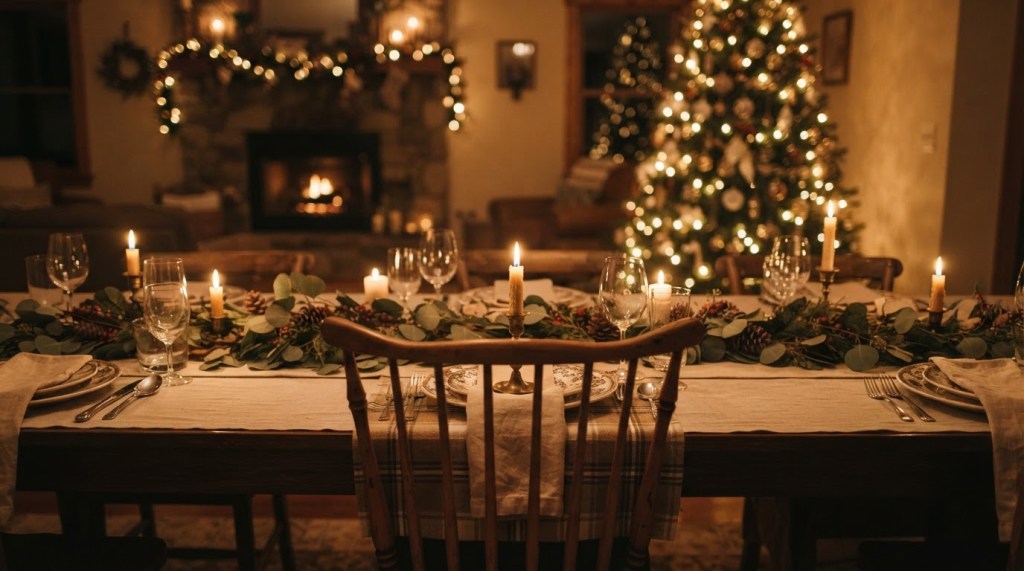
As we approach another holiday season, many families are facing it with a heavy heart for one MAJOR reason. There’s an empty chair at the dinner table this year. A chair that was filled by a loved one who is no longer with us.
Maybe it was Mom, who always made the sweet potato pie. Maybe it was Granddad, who told the same stories every year and made everybody laugh anyway. Maybe it was a husband or wife of forty years. Whoever it was, the room feels different without them, and the holidays have a way of making that absence louder.

The memories that linger
The memories of past holidays together linger with each family member. All too often we lament the missed opportunities. The questions we never asked. The “I love you” we didn’t say one more time. The afternoons we could have spent reminiscing about the “good old days” instead of doom-scrolling on social media.
If that’s where you are right now, know this: those feelings are normal. Grief is love with nowhere to go. It doesn’t follow the calendar, and it doesn’t take a holiday off. The first season without someone is often the hardest, and it’s okay if this year looks and feels different.
When a spouse faces the holidays alone
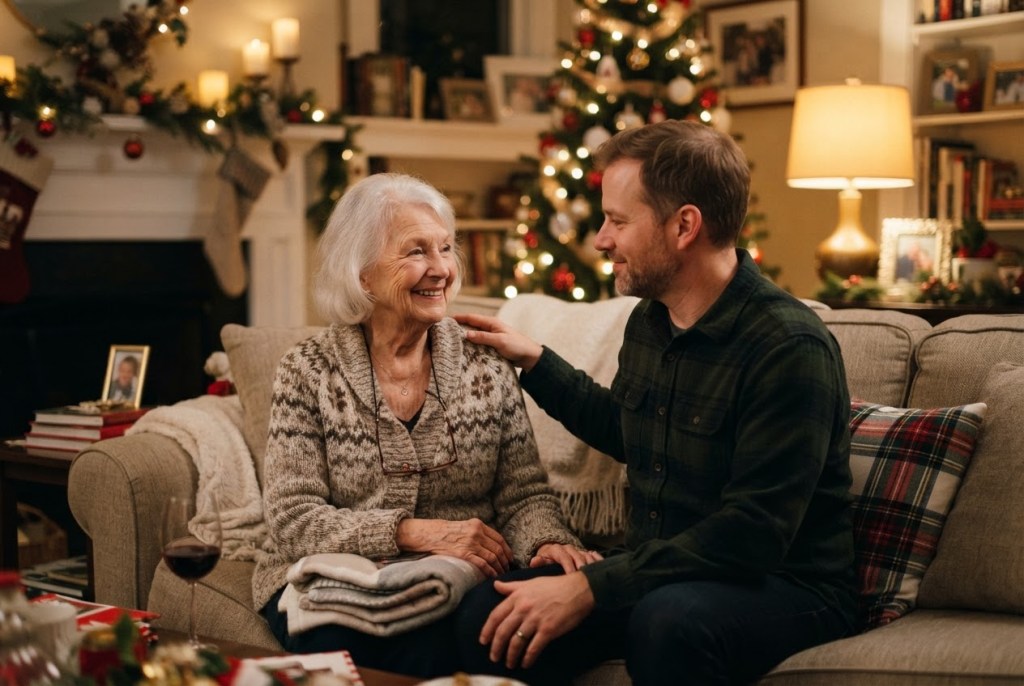
It’s even more difficult for a spouse to attend holiday gatherings for the first time without their longtime partner. Whether to go or stay home is a hard choice, and there’s no wrong answer. What they need most from the rest of us is support, not pressure.
A few ways to help:
- Invite, don’t insist. Let them know they’re wanted, and that it’s okay to say no, or to decide at the last minute.
- Give them an exit plan. Offer to drive so they can leave whenever they need to, no explanation required.
- Say the name. Many grieving people worry their loved one will be forgotten. Mentioning them by name and sharing a favorite memory is often a gift.
- Check in after the holidays, too. The weeks after New Year’s can be the loneliest. A phone call in January means a lot. Life has not returned to normal yet for them.
AARP family and caregiving expert Amy Goyer has an updated guide with more ideas for coping and honoring loved ones during the season: Ways to Cope With Grief During the Holidays (AARP).
Ways to honor the empty chair
Instead of pretending the chair isn’t empty, some families choose to honor it:
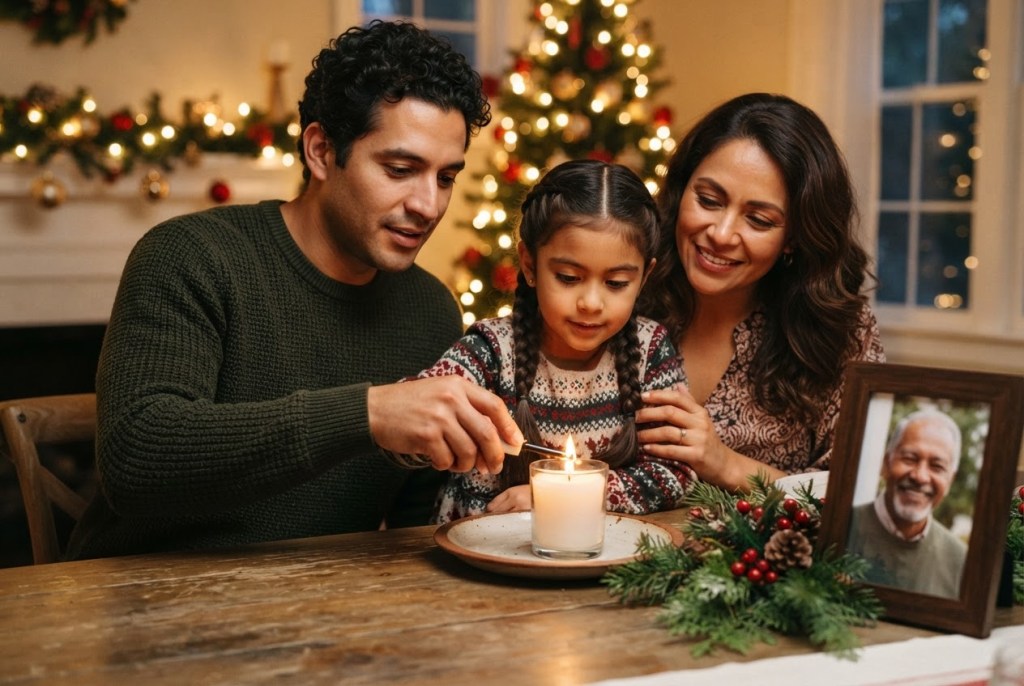
- Light a memory candle at the start of the meal and invite everyone to share one thing they’re grateful for about the person.
- Fill a memory jar. Leave slips of paper out during the day for family members to write a favorite story. Read them aloud after dinner.
- Make their signature dish from their recipe, and tell the story behind it.
- Decide which traditions to keep, change, or set aside this year. It’s okay to try something new.
- Give in their name. Volunteer, donate to a cause they cared about, or bless someone in need. Serving others is one of the surest ways through pain.
Capture the moments while you still can
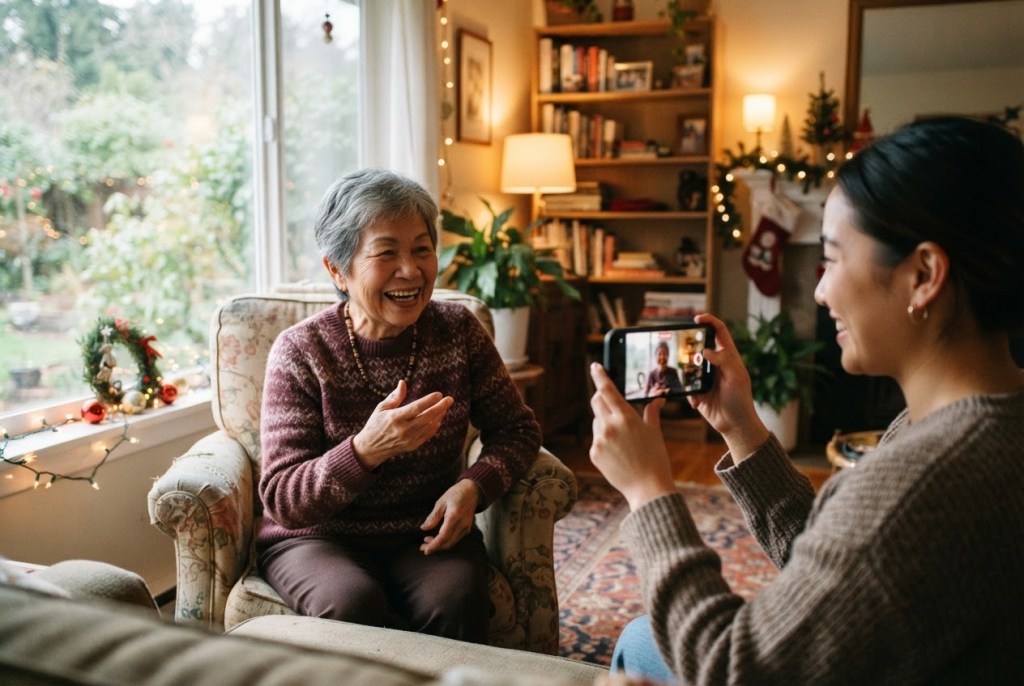
One suggestion I made years ago matters even more today: record video of each family member this year. When I first wrote this, recording took a camera and some know-how. Today nearly everyone carries a high-quality video camera in their pocket. There is little reason not to capture these all-too-special moments.
As a filmmaker, here’s my simple approach:
- Find a quiet corner away from the TV and the kitchen noise.
- Use window light. Seat your family member facing a window, not with it behind them.
- Hold the phone sideways and steady. Lean it on a stack of books if you don’t have a tripod.
- Ask open-ended questions, then just listen. Don’t rush to fill the silence; the best answers often come after a pause.
- Back it up the same day to a cloud account or computer, and share a copy with the family.
A few questions to get you started:
- What’s your favorite holiday memory from when you were a child?
- What was [the person we lost] like when they were young?
- What’s one lesson you want the grandkids to remember?
- How did you two meet? (for the couples in the family)
- What are you most thankful for this year?
Ten minutes of video can become a treasure for generations. Don’t wait until next year.
Helping children through the season
Kids grieve too, though it often looks different. They may be sad one minute and playing the next, and that’s normal. Include them: let them hang a special ornament, draw a picture for the memory jar, or help bake Grandma’s cookies. Answer their questions simply and honestly, and let them see that it’s okay to cry and okay to laugh.
Take care of yourself
Grief is exhausting. Rest when you can. Get outside and move a little, even a short walk. Eat real meals. Lean on your faith and your church family. Scripture reminds us, “Blessed are those who mourn, for they shall be comforted” (Matthew 5:4, World English Bible). And give yourself permission to feel joy, too. Laughing at the table doesn’t mean you’ve forgotten them.
If the sadness ever turns into hopelessness, please reach out. In the U.S. you can call or text 988 any time to talk with someone.
Helpful resources
- AARP: Ways to Cope With Grief During the Holidays – practical tips from Amy Goyer
- GriefShare: Surviving the Holidays – faith-based, two-hour seminars at churches and online across the country
- What’s Your Grief: 64 Tips for Coping With Grief at the Holidays
- 988 Suicide & Crisis Lifeline – call or text 988
One last thought
That empty chair is a reminder of how much love was shared around that table. This year, look around at the faces still with you. Ask the questions. Say “I love you.” Hit record. These are the moments you’ll be grateful for.
Wishing you and your family peace and comfort this holiday season.
– Mark


Leave a Reply